Bridging Hadean astrology with classical philosophy, this essay maps the polarity between Orcus and Ixion onto the enduring tension between Stoic self-command and Epicurean indulgence. Contrasting Ixion’s craving for audience, novelty, and sensual excess — which inevitably leads to satiation, jadedness, and joylessness — with Orcus’ ascetic simplicity, gratitude, and inward integrity, it illustrates how these opposing currents manifest through the natal chart of Roman Emperor Marcus Aurelius, whose Sun–Orcus opposition and Moon–Saturn mutual reception embodied the discipline of earned rewards. Ultimately, the piece argues that neither rigid puritanism nor unrestrained hedonism serves the soul; true maturity lies in consciously balancing self-discipline with self-tolerance, discovering richness in wanting what one already has rather than exhaustively chasing what one lacks.
Orcus the Stoic, Ixion the Epicure
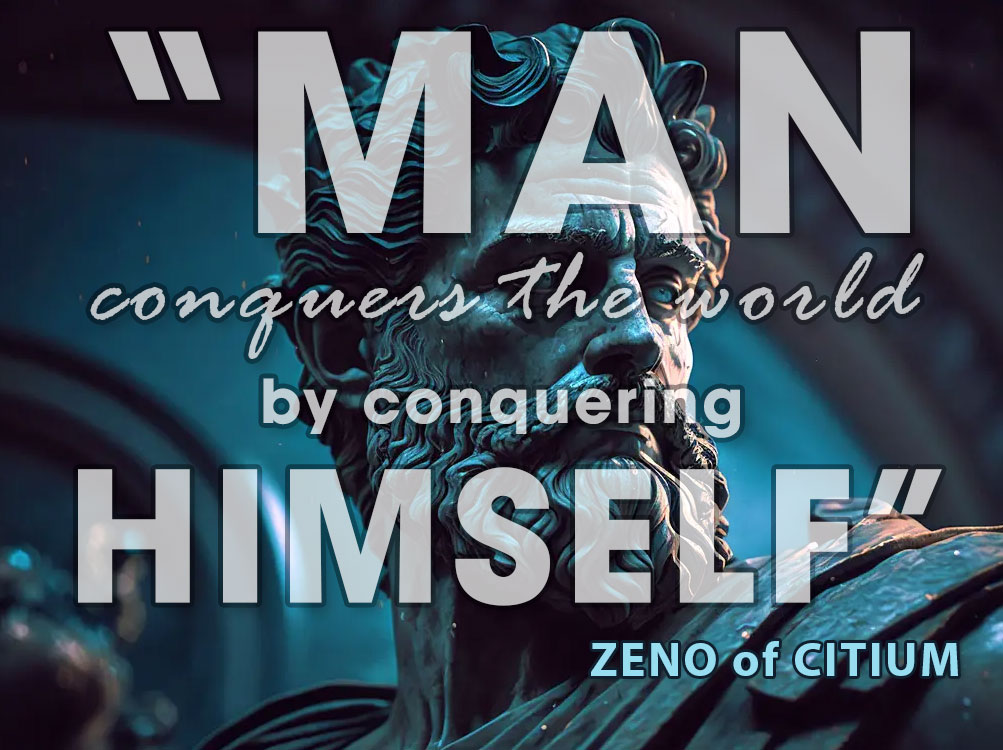
Bridging Hadean astrology with classical philosophy, this essay maps the polarity between Orcus and Ixion onto the enduring tension between Stoic self-command and Epicurean indulgence. Contrasting Ixion’s craving for audience, novelty, and sensual excess — which inevitably leads to satiation, jadedness, and joylessness — with Orcus’ ascetic simplicity, gratitude, and inward integrity, it illustrates how these opposing currents manifest through the natal chart of Roman Emperor Marcus Aurelius, whose Sun–Orcus opposition and Moon–Saturn mutual reception embodied the discipline of earned rewards. Ultimately, the piece argues that neither rigid puritanism nor unrestrained hedonism serves the soul; true maturity lies in consciously balancing self-discipline with self-tolerance, discovering richness in wanting what one already has rather than exhaustively chasing what one lacks.
You can read this essay and 55 other member articles by subscribing.
Subscribe →